
Four Reasons ECMO Programs Stall
ECMO is specialized enough that the learning curve carries real clinical and financial consequences, and there is no shortcut to the institutional knowledge that takes years to accumulate.
ECMO is specialized enough that the learning curve carries real clinical and financial consequences, and there is no shortcut to the institutional knowledge that takes years to accumulate.

The combination of AI and advanced signal processing, along with innovations in digital and wearable tech, places us in a moment where providers will soon be able to have high-quality data that presents the opportunity to shift from reactive heart failure treatment to preventive cardiac care.


In an interview, Kyan Health Co-Founder and Chief Commercial Officer Konstantin Struck discussed how Kyan gives mid-market and enterprise employers access to premium workforce mental healthcare, at a price point that is affordable.
Ultimately, these strategies prepare clinics to refocus on their primary mission. The goal is to remove the formulaic work through automation and logic, freeing clinicians to perform the high-value clinical work they were trained to do.

When we pause and view success through the eyes of a parent or caregiver, one goal stands above all others: we want our loved ones healthy and home as quickly and safely as possible.
Now, with the ability to measure coronary inflammation through AI-enhanced CT scans and to more accurately determine a person's risk of heart attack, we can intervene earlier and more effectively.

Within a matter of months, we’re likely to see substantial growth in the number of EP ablation procedures performed in surgery centers outside the hospital. Here’s what we can expect.

Small practices play a critical role in healthcare delivery, but they cannot continue to absorb ever-increasing administrative demands without consequences.

The integration of AI into cardiology workflows can help triage care automatically, ensuring the right physicians weigh in on patient data at the right time which may potentially improve clinical outcomes for all patients in need.

I work as a cardiologist for a multi-specialty group that sees patients both in capitated payer and fee-for-service environments. This diverse practice gives me the experience to know where insurance providers will find value or what they will likely pay for. As these protocols become more scientifically validated, AI is going to help the entire healthcare system to identify at-risk patients quickly and accurately.

Moving Analytics, a telehealth startup that provides remote cardiac rehab, raised $20 million in Series A funding. It will use the funds to scale its platform, expand its presence in the market and develop content focusing on heart health among women and people of color.
Eko Devices has raised $20 million in a Series B funding round for a combined stethoscope and ECG device powered by machine learning algorithms in the cardiac care field.
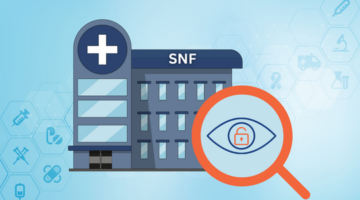
What if health plans could identify member decline before an avoidable hospitalization occurs? Real-time clinical visibility into long-stay SNF members uncovers risk earlier and drives better outcomes.